
Structural Drying in Dana Point, CA
Walls, floors and cabinets can stay wet inside long after the surface feels dry. We dry the structure with dehumidifiers and air movers, measure it at every visit, and stop only when the readings say it is dry.
Structural drying across Dana Point, ZIP 92629 and 92624, from Niguel Shores and The Strand at Headlands to Palisades and Capistrano Beach.
What is structural drying?
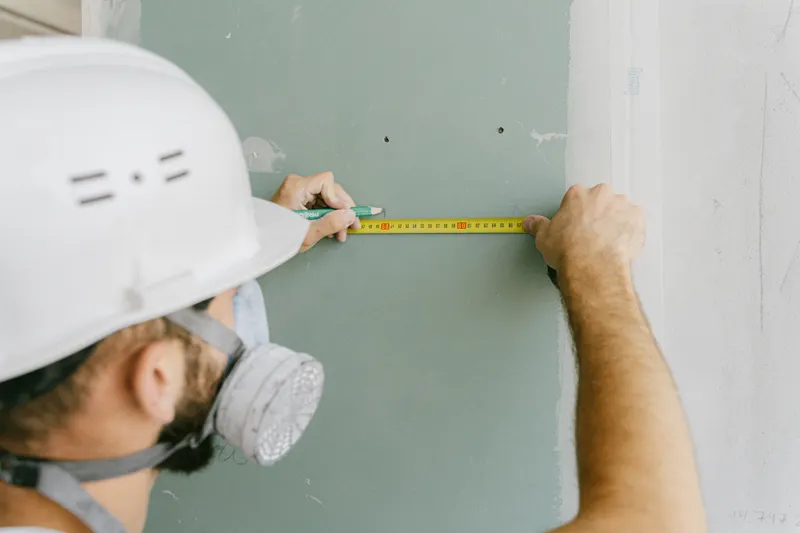
Structural drying is the process of removing water from the building itself. That means the drywall, the wood framing, the subfloor, the cabinets and the insulation. It starts once standing water has been pulled out, and it ends when every wet material reaches a measured dry goal.
The word structural matters. A carpet can look dry in a day while the wall behind it still holds water. Framing lumber and the bottom plate of a wall soak water up like a wick. If those parts are closed up wet, they can grow mold, swell, smell or rot later. Proper drying reaches them.
Drying is the core of any Dana Point water damage restoration job. It is also where cutting corners costs homeowners the most, because hidden moisture does not show up until weeks later.
How does structural drying work?
Drying works by moving water from the material into the air, then out of the room. Air movers blow fast, low air across wet surfaces. That speeds evaporation. Dehumidifiers then pull the water vapor out of the air so it cannot soak back into the materials. Together they form a closed drying system.
We usually use low-grain refrigerant (LGR) dehumidifiers, which keep pulling water out even when the air is already fairly dry. In some cases we use desiccant units, which work well in cool spaces and for dense materials like hardwood. The right choice depends on the materials, the room size and the weather.
Walls need extra help. Water often sits inside the cavity, behind the drywall. We can drill small holes near the floor, behind the baseboard, and push dry air into the cavity. This lets many walls dry in place, so we do not have to cut them open. Cabinets get a similar treatment through the toe kick.
Every visit, we take moisture readings at the same marked spots. We compare them with a dry reference spot of the same material elsewhere in your home. When the wet spots match the dry reference, the job is done. Coastal air in Dana Point is often humid, so we keep rooms closed up during drying to let the dehumidifiers do their work.
Keep windows and doors to the drying area closed unless we tell you otherwise. Our ocean air carries a lot of moisture, and opening up the room can slow the dehumidifiers down.
What are the signs a wall or floor is still wet?
If drying was skipped or stopped too early, you may notice these signs days or weeks later.
- A musty smell. An odor that grows stronger near one wall or cabinet
- Paint that bubbles. Paint or wallpaper that blisters or peels near the floor
- Swollen baseboards. Trim that has puffed up or pulled away from the wall
- Soft drywall. Drywall that feels soft or crumbles when pressed near the bottom
- Cupping wood. Wood floors that start to cup days after the water was cleaned up
- Swollen cabinet bases. Cabinet bottoms or toe kicks that are puffy or flaking
- Dark spots. Gray or black spots on drywall, trim or the back of cabinets
- High humidity. A room that feels clammy and fogs windows even on clear days
Why does drying go wrong, and what makes it harder here?
The most common mistake is stopping too soon. A room can feel dry while the framing is still wet. Another is using fans alone. Fans move air but do not remove the water vapor, so humidity rises and the water just moves around the room.
Building materials also matter. Dense hardwood, plaster, thick tile beds and particleboard cabinets dry slowly. Insulation inside walls can hold water against the studs. Vinyl wallpaper and some paints trap moisture behind them. These need a more targeted plan than open drywall.
Dana Point adds its own challenge. Many homes sit close to the ocean, where the outside air is humid much of the year. Bluff-top homes in areas like Palisades and ocean-facing homes in Niguel Shores can see slower drying, so we watch readings closely and adjust equipment as we go.
What can you check yourself during drying?
You can help the drying go faster and spot problems early.
- Leave the equipment running unless we tell you to turn it off.
- Keep doors and windows in the drying area closed.
- Empty a dehumidifier bucket if your unit has one and it fills.
- Do not put furniture or rugs back until we say the floor is dry.
- Tell us if you smell mold or see spots, so we can check right away.
- Avoid painting or caulking wet areas, which traps moisture inside.
Do not unplug drying equipment to save power or reduce noise without calling us first. Stopping early can let mold start inside the walls and may affect your insurance claim.
What happens at our drying visits?
A drying job is a series of short visits. Here is what each step looks like.
- 01
Map the moisture
We test walls, floors and cabinets and mark the edges of the wet area.
- 02
Plan the setup
We choose dehumidifiers and air movers based on the room size and materials.
- 03
Dry the cavities
We open small holes or remove baseboards so air reaches hidden water.
- 04
Check readings
We return to read the same spots and adjust or move equipment.
- 05
Confirm it is dry
We compare to dry reference readings and give you the final log.
What affects the cost of structural drying?
Drying cost mostly comes down to how much equipment runs and for how long.
| Factor | How it changes the job |
|---|---|
| Number of rooms | More wet rooms need more dehumidifiers and air movers. |
| Materials | Hardwood, plaster and cabinets dry slower than drywall and carpet. |
| Days of drying | Each extra day adds equipment time and a monitoring visit. |
| Wall cavities | Insulated walls and cavity drying add setup work. |
| Starting moisture | Water that sat longer soaked deeper and takes longer to remove. |
When is drying urgent?
Drying is time-sensitive. Mold can begin to grow on wet materials within one to two days, which is why the U.S. EPA advises drying within 24 to 48 hours. If water was cleaned up but nothing was dried with real equipment, call us to test the area.
It is also urgent if you plan to close anything up. Do not install new drywall, flooring or paint over an area that got wet until it has been measured dry. Covering wet framing is a common cause of mold remediation work later.
Structural Drying FAQs for Dana Point homeowners
How long does structural drying take?
Many jobs take a few days. Dense materials, cavity drying and humid coastal weather can add time. We check readings at each visit and tell you when it is dry.
Can my walls dry without being cut open?
Often, yes. We can drill small holes behind the baseboard and push air into the cavity. Walls with black water, mold or soaked insulation may need to be opened.
Why is the equipment so loud?
Air movers push a lot of air. The noise is normal. We place units to dry the wet areas as fast as possible, which keeps the job shorter.
How do you know when it is dry?
We compare readings in the wet area with a dry spot of the same material in your home. When they match, the material is dry.
Will my power bill go up?
Drying equipment does use electricity. It is usually a short-term cost. Ask your insurance company whether your policy covers it.
Can I turn off the dehumidifier at night?
Please do not without asking us. Drying works best when it runs nonstop, and stopping can slow the job and raise mold risk.
Related services and neighborhoods
Drying follows water extraction and comes before any rebuild. When water came through a ceiling, our ceiling water damage repair work picks up once the drywall above reads dry. If the water was from a sewer line, cleaning comes first under sewage cleanup.
Coastal homes in The Strand at Headlands and Monarch Bay often have stone, hardwood and custom cabinets that need slow, careful drying. For an overview of how drying fits the whole job, see our water damage restoration overview.
Structural Drying across Dana Point neighborhoods
We set up drying in homes all over Dana Point. Select your neighborhood for the materials and home styles we usually dry there.
- Structural Drying in Capistrano Beach
- Structural Drying in Lantern Village
- Structural Drying in Dana Hills
- Structural Drying in Monarch Beach
- Structural Drying in Del Obispo
- Structural Drying in Niguel Shores
- Structural Drying in Palisades
- Structural Drying in Monarch Bay
- Structural Drying in Monarch Bay Terrace
- Structural Drying in Dana Woods
- Structural Drying in Doheny Village
- Structural Drying in Ritz Pointe
- Structural Drying in The Strand at Headlands
- Structural Drying in Beach Road
- Structural Drying in Ritz Cove
Dry it fully the first time
Call Water Damage Specialists about structural drying and our local team will talk you through your next steps.
(949) 555-0182