
Emergency Water Damage Restoration in Dana Point, CA
A pipe just burst or water is pouring through the ceiling. Our team helps you stop it on the phone, then comes out to pull the water, protect your belongings and start drying before the damage spreads.
Emergency calls taken across Dana Point, ZIP 92629 and 92624, from Monarch Bay and Ritz Pointe to Doheny Village and Beach Road.
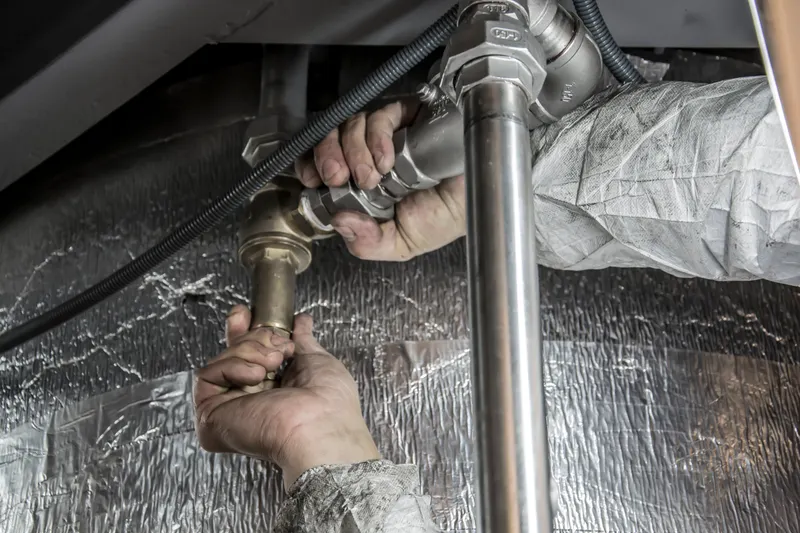
What is emergency water damage restoration?
Emergency water damage restoration is the first-response part of a water job. It covers everything that has to happen while water is still moving or still sitting on floors. The goal is simple: stop the source, get the water out, and keep it from spreading into more rooms and deeper into the structure.
A normal restoration job can wait a day for a scheduled visit. An emergency cannot. When a supply line bursts or a water heater fails, gallons can pour out every minute. That water runs under baseboards, soaks into carpet pad and wicks up drywall. The first few hours decide whether you end up with a drying job or a full rebuild.
For homeowners across water damage restoration in Dana Point, an emergency visit usually includes shut-off help on the phone, an on-site inspection, water extraction, moving furniture and belongings out of harm's way, and setting up structural drying equipment before we leave.
How do we handle a water damage emergency?
We start on the phone. While you are still on the call, we help you find the main shut-off or the fixture valve, and we tell you whether to switch off power to the wet area. We ask where the water is, how long it has been running and whether it looks clean. That tells us which equipment to load.
On site, we confirm the water is off and check for electrical risk first. Then we trace the source. A burst line under a sink is easy to spot, but a leak in a wall or ceiling may need a moisture meter and a thermal camera to find. We mark the edge of the wet area on walls and floors so nothing gets missed.
Next comes extraction. Portable pumps and extraction wands pull standing water out of carpet, pad, tile and wood. Getting most of the water out by machine is far faster than letting it evaporate. We lift furniture onto blocks or move it out, pull wet area rugs, and take photos of everything for your insurance file.
Before we leave, we set air movers and dehumidifiers, and we may open small holes behind baseboards so air reaches wet wall cavities. If the water came from a sewer line or outside, the plan changes. That is a sewage cleanup or flood damage restoration job, with protective gear and disinfection first.
Tape a note with the water heater's age and the location of your main shut-off inside the garage door. In an emergency, anyone in the house can find it fast.
What are the signs you have a water damage emergency?
Some water problems can wait for a scheduled visit. These eight signs mean you should call now.
- Water you can hear. Hissing or running water behind a wall or under a floor when every tap is off
- Standing water. A puddle that keeps growing or covers more than one room
- A sagging ceiling. A bulge or drip in drywall overhead, which can give way under the weight of water
- Water near electrical. Water close to outlets, cords, appliances or the electrical panel
- A failed water heater. Water pooling around the base of the tank or coming from the relief valve
- A sewage backup. Water rising from toilets, tubs or floor drains
- Storm water inside. Rain or runoff coming under doors or through walls during a storm
- A sudden pressure drop. Weak water pressure along with a meter that spins with fixtures off
What causes most water damage emergencies in Dana Point?
Most emergencies come from plumbing. Braided supply lines to toilets and faucets can split. Washing machine hoses burst under pressure. Water heaters corrode and leak from the bottom, and many Dana Point homes still run units that are well past their expected life. Older copper pipes can develop pinholes that suddenly open wider.
Storms are the second big cause. Our rain comes in a few heavy winter bursts. Water can enter through roof flashing, old window seals, sliding doors and deck drains. Homes on bluffs and hillsides see runoff push toward walls, and low-lying streets near the beach and creek can take on outside water.
Seasonal and second homes add another layer. When a home sits empty for weeks, a small leak can run unnoticed and turn into a large emergency. We see this often in coastal communities like Monarch Beach and Niguel Shores, where many homes are not lived in year-round.
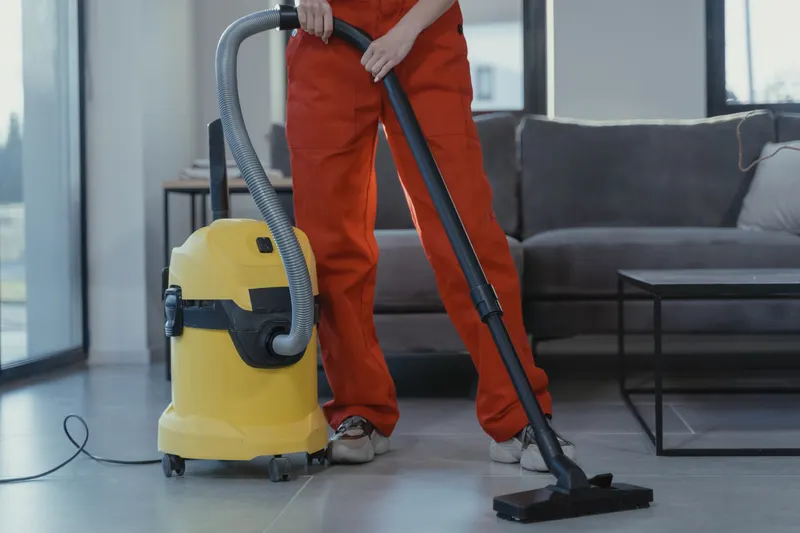
What should you do before we arrive?
A few safe steps in the first minutes can cut the damage a lot. Only do what is safe.
- Shut off the water at the fixture valve or the main shut-off.
- If water is near outlets or the panel, switch off power to that area only if you can reach the breaker while standing on a dry floor.
- Move electronics, papers, photos and rugs to a dry room.
- Put foil or plastic under furniture legs to stop stains on wet carpet.
- Take photos and video of the water and the source before you move things.
- Open interior doors so air can move, but keep the heat off.
Do not walk into a room with a sagging ceiling or water touching electrical outlets. Do not use a household vacuum on water. If sewage is involved, keep children and pets away and do not touch it.
What happens during our emergency visit?
Here is how a typical emergency visit runs, step by step.
- 01
Safety check
We confirm the water is off and check for electrical risk and ceiling hazards.
- 02
Find the source
We trace where the water came from, using meters and a thermal camera if it is hidden.
- 03
Extract the water
Pumps and extraction tools remove standing water from floors, carpet and pad.
- 04
Protect your things
We move furniture, lift items off wet floors and photograph everything for your claim.
- 05
Set the drying plan
We place drying equipment, record starting moisture readings and explain the next visits.
What affects the cost of emergency water damage restoration?
Emergency jobs are priced by what the water touched and how much work it takes to stop the spread. We give you a written scope before work begins.
| Factor | How it changes the job |
|---|---|
| Time of the call | Nights, weekends and holidays can affect scheduling and labor. |
| Amount of water | More standing water means more extraction time and more equipment. |
| Water category | Gray or black water needs protective gear, cleaning and disinfection. |
| Rooms affected | Water that crossed into several rooms or floors needs a bigger drying setup. |
| Contents to move | Heavy furniture, pianos and stored items take time to protect. |
When is water damage an emergency, and when can it wait?
Call right away if water is still flowing, standing in your home, touching anything electrical, coming from a drain, or soaking a ceiling. Also call fast if the water has sat for more than a day, since mold risk rises quickly after 24 to 48 hours.
A small, old stain that is dry to the touch is usually not an emergency. It still needs a check, since the cause may still be active. For slow leaks and old stains, a scheduled visit for ceiling water damage repair or a leak check is often the right call.
Emergency Water Damage Restoration FAQs for Dana Point homeowners
Do you take emergency calls at night?
Call us any time water is moving in your home. We will tell you on the call when our team can get to you and what to do in the meantime.
What should I do first when a pipe bursts?
Shut off the main water valve, then turn off power to the wet area if you can do it safely. Move valuables to a dry room, take photos, and call us.
Will my insurance cover an emergency water visit?
Many homeowners policies cover sudden water damage like a burst pipe. Coverage depends on your policy. We document the source, the water and our readings to support your claim.
Can you start drying the same day?
In most cases, yes. Our goal on an emergency visit is to extract the water and set drying equipment before we leave, once the source is stopped.
Is it safe to stay in my home?
Often it is. Stay out of rooms with sagging ceilings, sewage or water near electrical. We will tell you which areas to avoid during drying.
Who do I call if the leak is at the water meter?
Call your water district. South Coast Water District serves most of Dana Point, and Moulton Niguel Water District serves a few areas like Dana Woods. Then call us for the inside damage.
Related services and neighborhoods
An emergency visit is only the first stage. Once the water is out, the job moves into structural drying, and later into repairs like hardwood floor water damage repair if wood floors took on water. If a pipe caused it, our guide to burst pipe water damage repair explains what comes next.
Homes in sea-level areas like Beach Road and low ground in Doheny Village face storm emergencies more often than hillside homes. Older homes in Capistrano Beach see more plumbing failures. For the big picture, start on our Dana Point water damage homepage.
Emergency Water Damage Restoration across Dana Point neighborhoods
We handle water emergencies in every Dana Point neighborhood. Pick yours to see what we watch for in those homes, from gate access to the age of the plumbing.
- Emergency Water Damage Restoration in Capistrano Beach
- Emergency Water Damage Restoration in Lantern Village
- Emergency Water Damage Restoration in Dana Hills
- Emergency Water Damage Restoration in Monarch Beach
- Emergency Water Damage Restoration in Del Obispo
- Emergency Water Damage Restoration in Niguel Shores
- Emergency Water Damage Restoration in Palisades
- Emergency Water Damage Restoration in Monarch Bay
- Emergency Water Damage Restoration in Monarch Bay Terrace
- Emergency Water Damage Restoration in Dana Woods
- Emergency Water Damage Restoration in Doheny Village
- Emergency Water Damage Restoration in Ritz Pointe
- Emergency Water Damage Restoration in The Strand at Headlands
- Emergency Water Damage Restoration in Beach Road
- Emergency Water Damage Restoration in Ritz Cove
Water still coming in? Call us now.
Call Water Damage Specialists about emergency water damage restoration and our local team will talk you through your next steps.
(949) 555-0182