
Water Damage Restoration in Dana Point, CA
Water on the floor, a stain on the ceiling, or a musty smell that will not go away? We find the source, pull out the water, and dry your home with moisture readings you can see. Then we repair what the water touched.
- Source found before we cut
- Moisture readings every visit
- Photos for your claim
Serving Dana Point homes in ZIP 92629 and 92624, from Capistrano Beach and Lantern Village to Monarch Beach and Niguel Shores.
What does water damage restoration mean for a Dana Point home?
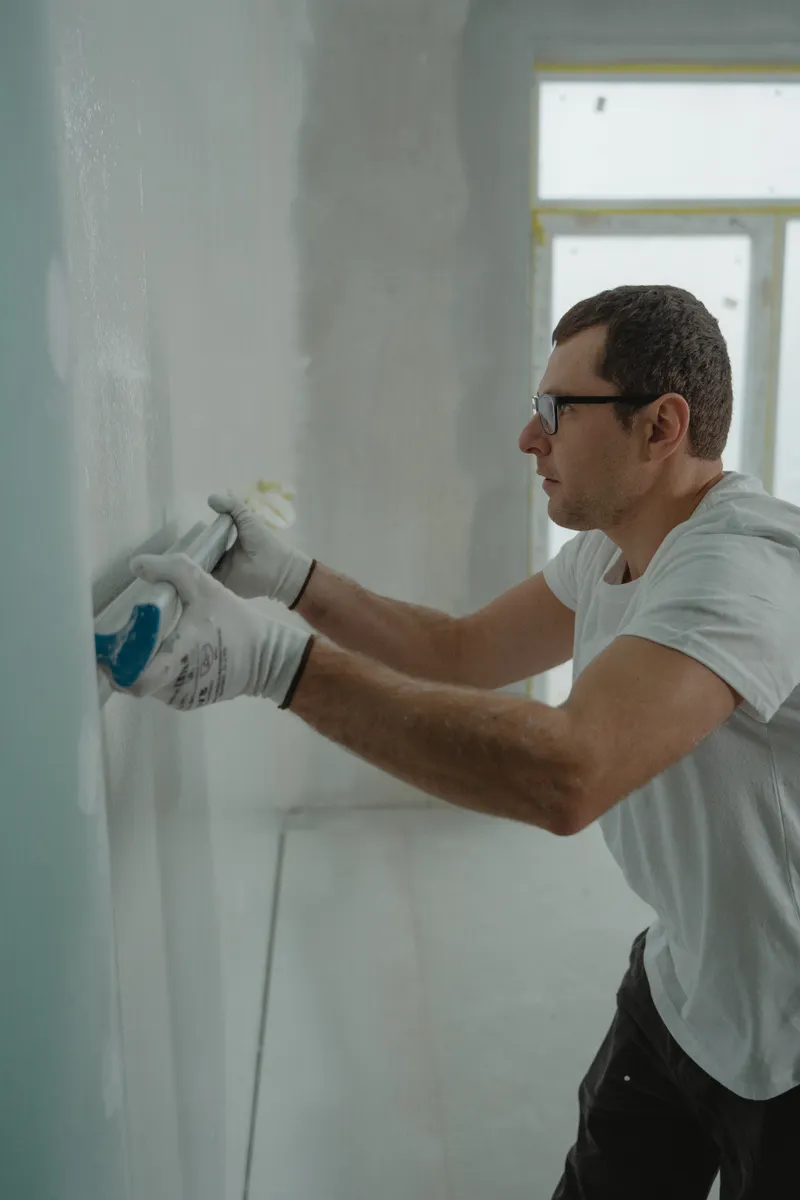
Water damage restoration is the work of stopping the water, removing it, drying the building, and repairing what got wet. Done in that order, it keeps a leak from turning into mold, warped floors and a much bigger repair.
When you call us, we start with the cause. A burst supply line, a failed water heater, a roof leak in a winter storm and a sewer backup all need different steps. Next comes water extraction, which pulls standing water out of carpet, pad and hard floors. Then we set up structural drying with dehumidifiers and air movers. We check the moisture in walls, floors and cabinets until they reach a dry standard.
Most Dana Point homes were built around the 1970s. Many still have original pipes, water heaters and supply lines, and those parts fail with age. Our coastal air is also damp much of the year, so wet materials dry more slowly here than they would inland. That is why we measure, not guess. If water sat long enough to grow mold, we handle mold remediation with containment before any rebuild starts.
Find your main water shut-off now, before you need it. Most homes have a valve near where the line enters the house or by the water meter. South Coast Water District serves most of the city, and Moulton Niguel Water District serves a few areas such as Dana Woods.
Which water damage services do we offer in Dana Point?
Each job is different, so each service has its own steps. Here are the six we are called for most, and four more below.
Emergency Water Damage Restoration
Water is moving right now. We help you stop it, protect what matters, and start extraction and drying the same visit when we can. The first day shapes the whole job, so we focus on fast, careful steps that limit how far the water spreads into walls and floors.
Learn moreWater Extraction
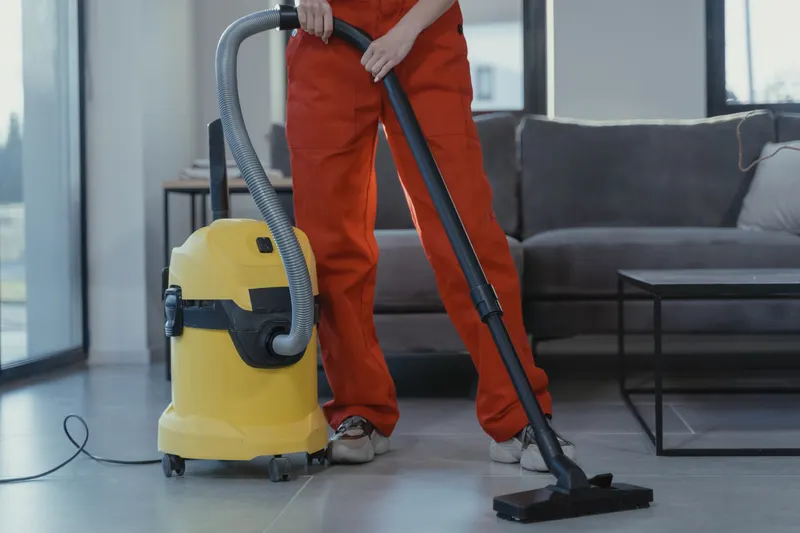
We pull standing water out of carpet, pad, tile and wood with pumps and extraction tools. Getting water out first makes the drying step shorter and protects the subfloor under your flooring.
Learn moreStructural Drying
Dehumidifiers and air movers dry walls, floors and cabinets from the inside out. We take moisture readings each visit and stop only when the materials reach a dry goal.
Learn moreMold Remediation
If water sat too long, mold can grow behind walls and under floors. We contain the area, remove what cannot be saved, clean what can, and dry it so the problem does not come back.
Learn moreFlood Damage Restoration
Storm water, high surf and overflow bring dirt and bacteria inside. We remove the water, clean and disinfect, and take out wet drywall and insulation that flood water touched.
Learn moreSewage Cleanup
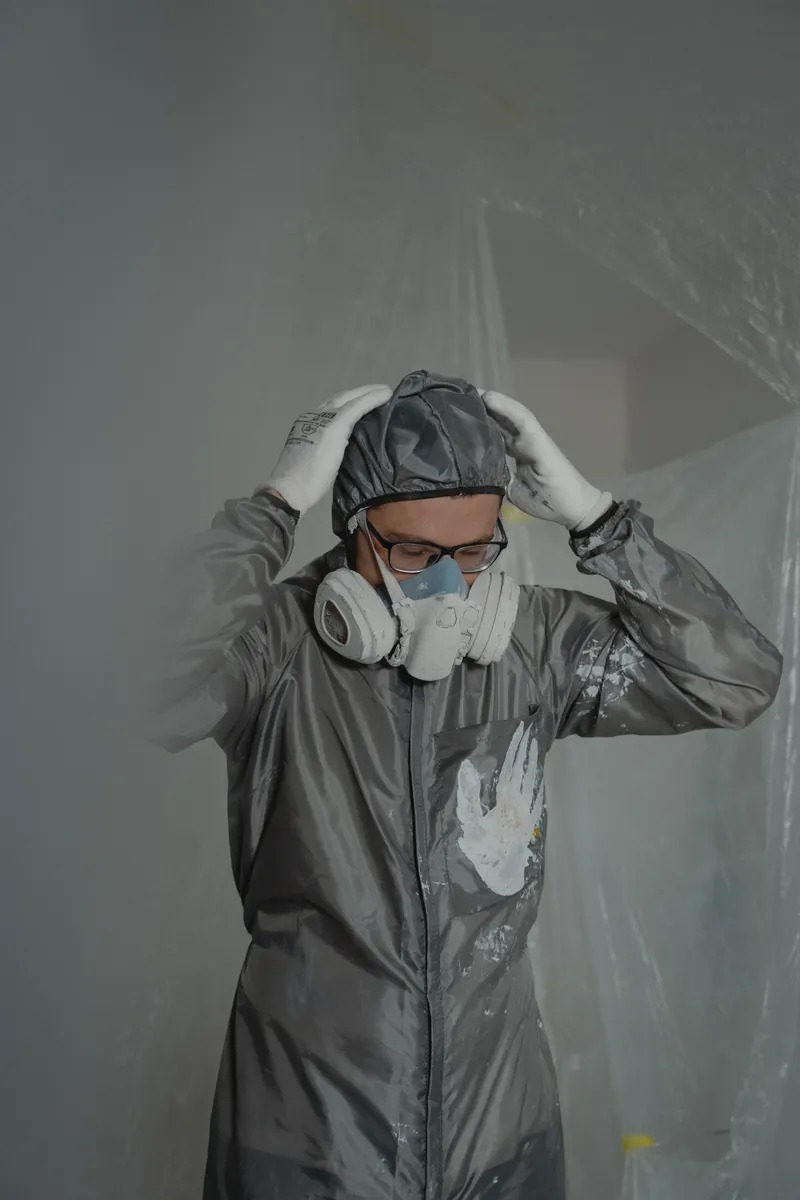
A sewer backup is black water and a health risk. Our team wears protective gear, removes the waste, cleans and disinfects, and dries the space before any repair begins.
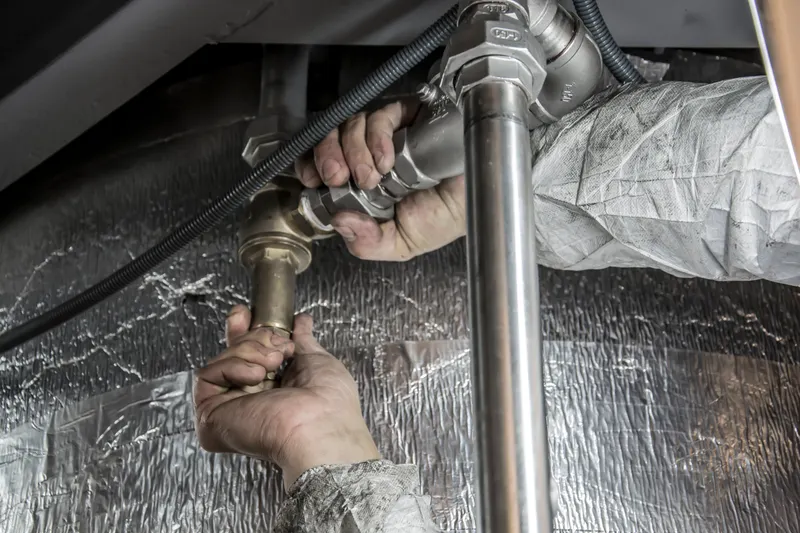
Learn moreWe also handle burst pipe water damage repair after a pipe or supply line fails, ceiling water damage repair when water comes through from above, hardwood floor water damage repair for cupped or buckled boards, and slab leak water damage repair when a pipe under the concrete soaks your flooring from below.
What is that sign in your home telling you?
Pick what you see or smell. Each card points to the service that usually fits. When you call, we confirm it with a moisture meter and a thermal camera before any work starts.
What causes water damage in Dana Point, and how do we fix it?
Most water damage here starts inside the home, not outside. Knowing the cause tells us how far the water went and how clean it is.
The most common causes we see
Plumbing failures top the list. Supply lines under sinks and toilets crack with age. Washing machine hoses split. Water heaters rust through at the bottom, often once they pass about 10 years of use. Copper pipes can form pinholes, and a hot-water line under the slab can leak for weeks before anyone sees it. Ice maker lines behind fridges and dishwasher connections are frequent sources too.
Weather is the next cause. Dana Point gets most of its rain in a few winter storms. Wind-driven rain gets past old window seals, roof flashing and sliding doors. Homes on bluffs and hillsides see runoff push against walls and slab edges. Low areas near the beach and creek can take in outside water during big storms and high surf. That kind of water needs flood damage restoration, not just drying.
Clean, gray and black water: why it matters
Our industry sorts water into three groups. Category 1 is clean water from a supply line. Category 2, or gray water, has some contamination, like a washer or dishwasher overflow. Category 3, or black water, includes sewage and outside flood water. Clean water can turn gray or black if it sits for a day or two or runs through dirty materials. A toilet or drain backup is always black water and calls for sewage cleanup.
| Category | Common source | What it means for the job |
|---|---|---|
| 1, clean | Burst supply line, water heater | Many materials can be dried and saved if we start fast |
| 2, gray | Washer, dishwasher, toilet overflow (no waste) | Cleaning plus drying; carpet pad is usually replaced |
| 3, black | Sewage, outside flood water | Protective gear, removal of porous materials, disinfection |
How we find water you cannot see
Water moves sideways and down. It wicks up drywall, runs under baseboards and spreads through carpet pad. A stain the size of a plate can hide a wet area the size of a room. We use a moisture meter to test drywall, wood and subfloor. A thermal camera shows cool, damp areas behind walls and ceilings. We mark the edges of the wet zone, so we remove only what we need to and dry the rest in place.
How drying works
After extraction, we set up dehumidifiers and air movers. Air movers push air across wet surfaces, which turns the water into vapor. Dehumidifiers pull that vapor out of the air. For wet walls, we may drill small holes behind the baseboard to push air into the wall cavity. Drying often takes several days, and coastal humidity can stretch it out. We check readings at each visit and adjust the setup until the materials meet a dry goal.
What happens after drying
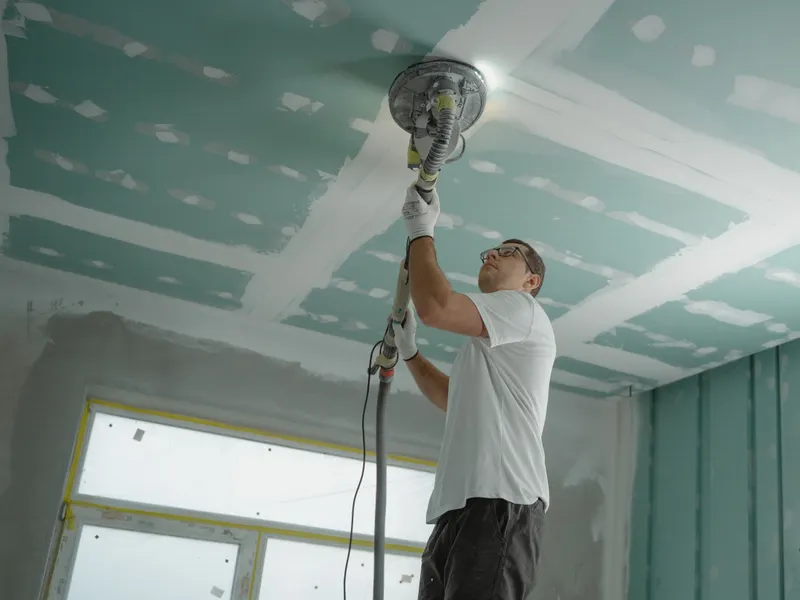
Once everything is dry, we move to repairs. That can mean new drywall, texture and paint, new baseboards, a new carpet pad, or refinished wood floors. If the water came from a pipe, the leak itself must be fixed first. We share our photos, moisture logs and a written scope so you can work with your insurance company. Ask us before work begins which parts are drying and which are rebuild.
Do not use a household vacuum on standing water, and keep away from outlets and cords in wet rooms. If water is near your electrical panel or the ceiling is sagging, stay out of the room and call us.
How does a water damage job move from call to repair?
Four clear steps. You know what is happening and why at each one.
- 01
Call and stop the water
We walk you through the shut-off on the phone and ask what you see, so we arrive with the right gear.
- 02
Inspect and map
We find the source and map the wet area with meters and a thermal camera. You get a written scope before work begins.
- 03
Extract and dry
We remove the water, take out what cannot be saved, and set drying equipment. Readings are logged at each visit.
- 04
Repair and confirm
Once the materials read dry, we rebuild and test again. You get final photos and readings for your records.
What happens if you wait to dry water damage?
Waiting turns a drying job into a rebuild. Water keeps moving, and materials keep soaking it up.
- First hours: water spreads under flooring and wicks up drywall. Wood starts to swell, and furniture legs can stain carpet.
- Day one to two: the U.S. EPA advises drying wet materials within 24 to 48 hours to help prevent mold growth. Clean water can also start to turn into gray water.
- Days later: drywall can crumble, wood floors cup or buckle, and particleboard cabinets can swell for good. Musty odors set in.
- Weeks later: mold can spread inside walls, and the repair grows from a few cuts to whole rooms.
Insurance policies also often ask homeowners to take reasonable steps to stop further damage. Calling early and keeping our drying logs helps show you did. If you are not sure whether a spot is still wet, ask us to test it. Learn more in our guide to emergency water damage restoration.
What affects the cost of water damage restoration?
No two jobs cost the same. These are the factors that move the price up or down. We explain each one in your written scope before work begins.
What we put in writing
- Where the water came from and what it touched
- What we will dry in place and what must come out
- The equipment, the visits and the price
- Which repairs come after drying
| Factor | Why it matters |
|---|---|
| Water category | Sewage and flood water need protective gear, disinfection and more material removal than clean water. |
| Size of the wet area | More square feet and more rooms mean more equipment and more drying days. |
| Materials that got wet | Hardwood, stone, custom cabinets and plaster take more care than carpet and standard drywall. |
| How long the water sat | Older water spreads further and raises the chance of mold work. |
| Access | Second floors, crawl spaces and gated community rules can add time. |
| Repairs after drying | Drywall, paint, flooring and trim are priced as a separate rebuild step. |
Where in Dana Point do we restore water damage?
We work across the whole city, from the 92624 homes in Capistrano Beach to the 92629 neighborhoods around the harbor and Monarch Beach. Here is what we see most in each one. You can also browse all Dana Point service areas.
Capistrano Beach 92624
Many Capistrano Beach homes date from the 1970s, with bluff lots above Coast Highway. We see water heater failures, aging supply lines and storm runoff on bluff-top lots.
Lantern Village 92629
Lantern Village is the historic core above the harbor, where older cottages sit next to stacked condos. One leak in an upper unit can reach the ceilings below, so we check both.
Dana Hills 92629
Dana Hills has winding hillside tracts on the north side of the city. Slope runoff and upstairs bathroom leaks into finished ceilings are common calls here.
Monarch Beach 92629
Monarch Beach has large homes and seasonal residents. A leak can run for days in an empty home, so we map the full wet area before we plan drying.
Del Obispo 92629
Del Obispo is a family neighborhood of tract homes on hilly streets. Washer hoses, dishwasher lines and 1970s plumbing cause many of our visits.
Niguel Shores 92629
Niguel Shores is guard-gated, with many homes from the 1970s through the 1990s. We work within HOA access rules and check original supply lines.
Palisades 92624
Many Palisades homes on the Capistrano Beach bluff were built from 1950 to 1975. Older pipes and additions joined to older slabs both need careful leak tracing.
Monarch Bay 92629
Monarch Bay is a guard-gated oceanfront community with many 1960s homes. We often find old copper or galvanized lines and wind-driven rain on ocean-facing walls.
Monarch Bay Terrace 92629
North of Coast Highway, Monarch Bay Terrace has sloped lots. Runoff toward rear walls and aging water heaters lead many of our calls here.
Dana Woods 92629
Dana Woods homes date mostly from the mid-1980s. Water here comes from Moulton Niguel Water District, which matters for shut-off and meter checks.
Doheny Village 92624
Doheny Village sits on low ground near San Juan Creek. Heavy rain can bring outside water and sewer backups, so flood and sewage cleanup are frequent here.
Ritz Pointe 92629
Ritz Pointe is a guard-gated community with homes from about 1988 to 2000. Original water heaters and upstairs laundry rooms are common leak sources now.
The Strand at Headlands 92629
The Strand at Headlands has newer luxury homes on the Headlands. Big glass walls, roof decks and fine finishes call for careful, gentle drying.
Beach Road 92624
Beach Road homes sit at sea level on the sand. High surf and storm water bring salt and sand inside, so we clean before we dry.
Ritz Cove 92629
Ritz Cove is a gated enclave of large ocean-view homes near the Ritz-Carlton. Long pipe runs, many bathrooms and custom millwork shape how we dry.
How does a call to Water Damage Specialists work?
When you call us about water damage restoration in Dana Point, we first help you stop the water and stay safe. We ask what you see, where it started and how long it has been wet. Then we set a time to come out.
On site, we find the leak before we cut anything. We map the wet area with meters and a thermal camera, then give you written findings, a scope and a price before work begins. We extract, dry and log readings at each visit. After any repair, we test again so you know the job is done.
Why do Dana Point homeowners choose us?
- We focus on one thing: water damage in homes.
- We measure moisture instead of guessing when walls are dry.
- We explain every step in plain words and share our photos and logs.
- We know local permits go through City of Dana Point Building & Safety, and we tell you when a repair needs one.
What should you have ready when you call?
A few details help us plan the visit and bring the right equipment.
- Where the water is and where you think it started
- About when you first noticed it, and whether it is still running
- Whether the water is clean, from a drain, or from outside
- Your gate code or HOA contact if you live in a gated community
- Your insurance company name and policy number, if you plan to file
- Photos of the damage taken before anything is moved
Water district emergency lines
If water is leaking at the meter or in the street, call your water district. The City of Dana Point lists these 24-hour lines:
South Coast Water District
(949) 499-4555, serves most of Dana Point
Moulton Niguel Water District
(949) 831-2500, serves Dana Woods and a few other communities
Water damage restoration questions from Dana Point homeowners
Short answers to what we hear most. Do not see yours? Call and ask.
How fast should water damage be dried?
As fast as you can. The U.S. EPA advises drying wet materials within 24 to 48 hours to help prevent mold. Shut off the water, then call us so we can start extraction and drying.
Do you find the leak before you start drying?
Yes. Drying will not work if water keeps coming. We trace the source first, then map the wet area with meters and a thermal camera before we remove anything.
Will you have to cut open my walls?
Not always. Many walls dry in place with air movers and small holes behind the baseboard. We remove drywall only when it is too wet to save, holds black water, or shows mold.
How long does drying take?
Most jobs take several days. Thick materials, wood floors and coastal humidity can add time. We check readings at each visit and tell you when the materials meet a dry goal.
Does homeowners insurance cover water damage?
Many policies cover sudden water damage, like a burst pipe, but not slow leaks or flood water. Your policy decides. We give you photos, moisture logs and a written scope to support your claim.
Can I clean up water damage myself?
You can stop the water, move valuables and mop small spills of clean water. Hidden moisture in walls and under floors needs meters and drying equipment. Never handle sewage without protective gear.
What is the difference between clean, gray and black water?
Clean water comes from a supply line. Gray water has some contamination, like a washer overflow. Black water includes sewage and outside flood water and needs full cleanup and disinfection.
Do I need a permit for repairs in Dana Point?
Some repairs do. For example, every water heater install or replacement needs a permit and final inspection from City of Dana Point Building & Safety. We will tell you when your repair needs one.
Which neighborhoods do you serve?
All of Dana Point, including Capistrano Beach, Lantern Village, Dana Hills, Monarch Beach, Del Obispo, Niguel Shores and more. Call us with your address and we will confirm.
How do I check a contractor's license?
Ask for the license number on your job and verify it with the California Contractors State License Board (CSLB) online before work starts.
Call our Dana Point water damage team
Call Water Damage Specialists and our local team will talk you through the shut-off and the next steps.
(949) 555-0182