
Clean, Gray and Black Water: What It Means in Dana Point, CA
The three water categories decide what can be saved, what must go and how careful the cleanup must be.
Published November 26, 2026 · By the Water Damage Specialists team
Not all water damage is the same. The restoration industry sorts water into three categories based on how contaminated it is. The category decides what can be dried and saved, what must be removed, and what safety steps the cleanup needs. Knowing which one you have helps you act safely.
What are the three water categories?
| Category | Examples | Cleanup |
|---|---|---|
| Category 1, clean | Burst supply line, water heater, overflowing sink with clean water | Extract and dry; many materials can be saved |
| Category 2, gray | Washer or dishwasher overflow, toilet overflow with urine only | Clean and dry; carpet pad is usually replaced |
| Category 3, black | Sewage, toilet overflow with waste, outside flood water | Protective gear, remove porous materials, disinfect, then dry |
Can clean water turn into gray or black water?
Yes. Clean water can pick up contamination as it runs through dirty carpet, soil or building materials. It also gets worse with time. After a day or two of sitting, especially in warm rooms, bacteria grow. A leak that started clean can be treated as gray or even black by the time it is found. That is one more reason to call fast.
Why does black water need special handling?
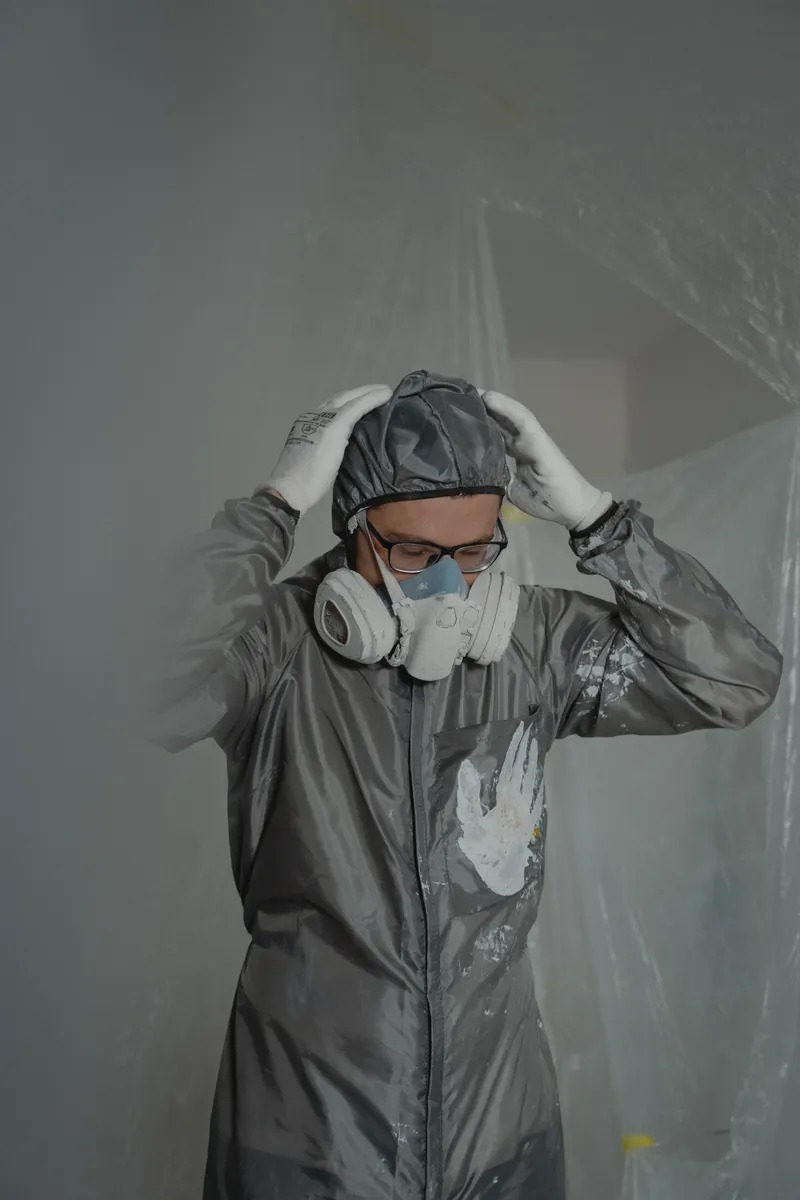
Black water can carry bacteria, viruses and parasites. It soaks into porous materials like carpet, pad, drywall and insulation, and those materials cannot be fully cleaned. They are removed and disposed of. Hard surfaces are scrubbed and disinfected before drying. Our team wears respirators, gloves and suits for this work. See our sewage cleanup page for the full process.
Keep children, pets and anyone with a weak immune system away from gray or black water. Do not touch it without gloves and boots.
Where do Dana Point homes see each category?
Clean water jobs come mostly from aging supply lines and water heaters, which are common in 1970s homes in areas like Capistrano Beach. Gray water often comes from laundry rooms and dishwashers. Black water shows up with sewer backups and storm flooding, especially on low ground such as Doheny Village and on the sand along Beach Road.
What should you do while you wait for help?
For clean water, shut off the source, move belongings and mop up small amounts on hard floors. For gray water, wear gloves, keep kids and pets away and do not try to save soaked carpet pad. For black water, do not touch it at all. Leave the room, close the door if you can, turn off HVAC fans that might spread odors and wait for a team with protective gear.
In every case, take photos and note the time. The category may change as water sits, and your notes help everyone understand what happened.
How does the category change cost and timing?
Clean water jobs are usually the fastest and least costly, since more can be dried in place. Gray water adds cleaning and pad replacement. Black water adds tear-out, disposal and disinfection, which take time before drying can even start. Our water extraction step is the same idea for all three, but what follows changes a lot. For flood-related black water, see flood damage restoration on Beach Road. For the full picture, visit our Dana Point water cleanup homepage.
Frequently asked questions
How do I know which category I have?
Think about the source. Supply lines are usually clean, appliances gray, and toilets with waste, sewers and outside water black. We confirm on site.
Is a toilet overflow always black water?
If it contains waste, yes. A tank leak or bowl overflow with clean water is treated as clean or gray, depending on how long it sat.
Can carpet be saved after gray water?
Sometimes the carpet can be cleaned, but the pad is usually replaced. After black water, both are replaced.
Does the category affect insurance?
Coverage depends on the cause, not the category. But the category affects the scope and cost of the work.
Questions about water in your home?
Still have questions after reading clean, gray and black water: what it means? Call Water Damage Specialists and our local team will help.
(949) 284-7732